



Selling your home can be exciting, but it also comes with a number of expenses that many homeowners underestimate. From commissions to closing fees, these costs can add up quickly—and catching sellers off guard can slow down a deal. By understanding the full picture, you’ll be better prepared to budget, negotiate, and maximize your sale.
Common Costs
Agent commissions
The biggest expense when selling a home is usually the real estate agent’s commission. In Canada, commissions often range from 4%–6% of the sale price. On a $600,000 home, that’s $24,000–$36,000. While this may sound steep, a skilled agent can often help you sell faster and for more, offsetting the cost.
Repairs & Improvements
Before listing, many sellers invest in small repairs and updates—painting, fixing leaky faucets, patching drywall. Larger updates (like replacing flooring or upgrading appliances) can also boost value but need to be weighed carefully against potential returns.
Closing Fees
Expect to pay legal fees, land transfer taxes (if applicable), and adjustments for utilities and property taxes. On average, closing costs can total 1%–4% of the home price.
Hidden Costs to Watch
Staging & Presentation
Professional staging costs can range from $1,500 to $5,000+, depending on the size of your home and rental furniture needed. While optional, studies show staged homes can sell up to 10% faster and for 5%–15% more than unstaged homes.
Legal Fees
Beyond closing, sellers may need additional legal support if complications arise, such as handling title issues or reviewing offers with unusual terms.
Taxes
If the home isn’t your principal residence, you may owe capital gains tax on profits. This is an area where a financial advisor or accountant can provide clarity.
Cost-Saving Strategies
- Negotiate Repairs: Instead of making costly upgrades, some sellers agree to offer a credit at closing.
- DIY Staging: Decluttering, rearranging furniture, and using natural light can go a long way before investing in professional staging.
- Shop Around for Professionals: Compare quotes from real estate lawyers, contractors, and stagers before committing.
- Leverage Your Agent’s Network: Many agents have preferred vendors who may offer discounted rates.
Homeprint for Transparency
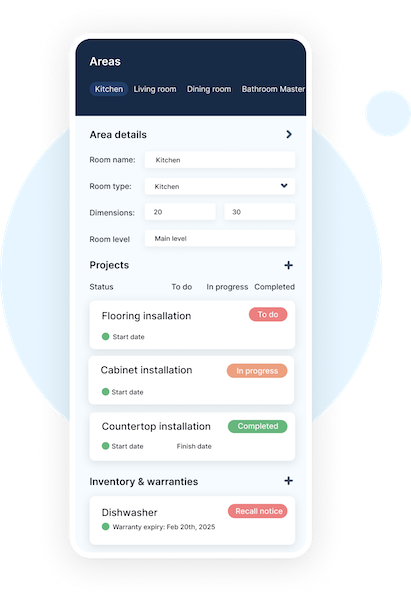
One of the best ways to reduce buyer hesitations—and avoid last-minute expenses—is by organizing your home’s history with Homeprint.
- Upload past projects and renovations to showcase improvements.
- Keep warranties and receipts to prove ongoing maintenance.
- Document appliances, fixtures, and inventory included in the sale.
Pair your record with Homicity permit lookups so buyers see a full, verified history.
A well-documented property record can increase buyer confidence and reduce requests for costly pre-sale repairs or credits.
Creating a Budget & Timeline
Start by listing all potential expenses and building a timeline for when you’ll need to cover them. For example:
- Pre-listing: Repairs, staging, photography.
- During sale: Agent commissions, showings, potential incentives.
- At closing: Legal fees, taxes, and adjustments.
A clear budget helps you avoid surprises and ensures you walk away with the best possible return.
Summary Table
Selling a home comes with more than just agent commissions. From staging to closing fees, costs can add up quickly—but with smart planning, you can save money while keeping buyers confident in your property.
Expense Type Estimated Range Notes
Agent commissions 4-6% of sale price Negotiable
Repairs & Improvements $500–$15,000+ Case by case
Closing Costs 1%–4% of home price Legal, taxes, adjustments
Staging $1,500–$5,000+ Can improve sale price
Legal Fees $1,000–$3,000 Depends on complexity
Taxes Varies Capital gains if not principal residence