


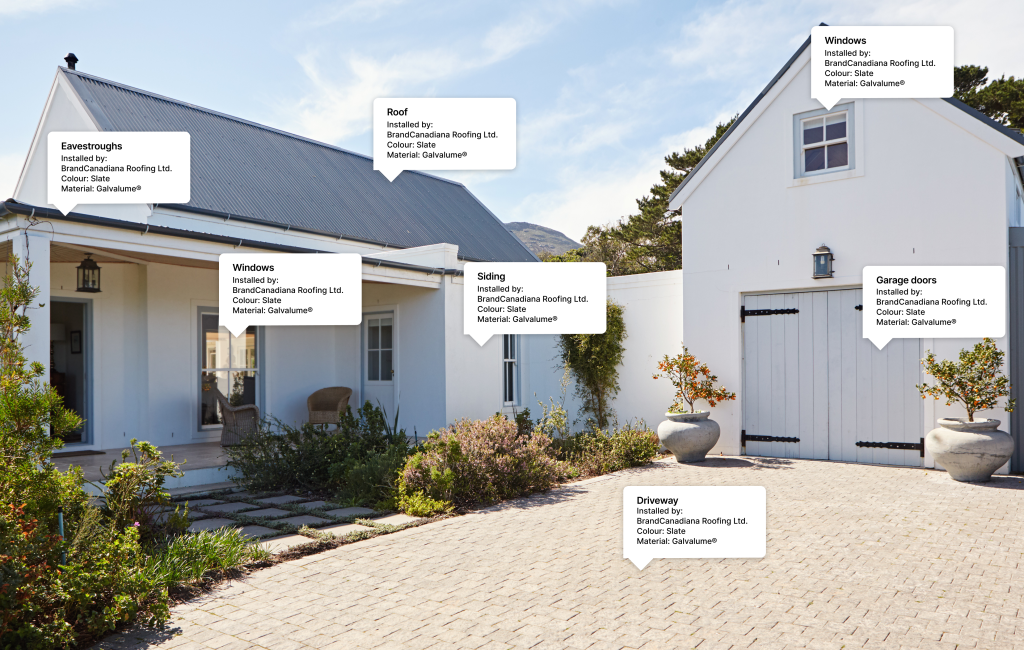
Real estate asset management is a strategic approach to overseeing and optimizing the performance of property investments. Whether you own a single-family home, a multi-unit residential building, or a commercial property, effective asset management helps property owners, investors, and managers increase value, reduce risk, and make informed decisions.
What is Real Estate Asset Management?
At its core, real estate asset management involves managing a property as an investment. It focuses on the financial performance, operational efficiency, and long-term value of real estate assets. Unlike property management, which primarily handles day-to-day operations, asset management takes a broader view, aligning property operations with overall investment goals.
How You Can Use Real Estate Asset Management
Real estate asset management can be applied to a variety of property types, both residential and commercial. Key applications include:
- Financial Oversight: Tracking income and expenses, optimizing cash flow, and analyzing returns on investment.
- Operational Efficiency: Streamlining property operations, coordinating maintenance, and ensuring tenant satisfaction.
- Risk Management: Monitoring compliance, insurance coverage, warranties, and contractual obligations.
- Strategic Planning: Making data-driven decisions for property improvements, sales, refinancing, or development.

Leveraging Real Estate Asset Management
Asset management allows property owners to leverage data and processes to make smarter decisions:
- Hiring Contractors Efficiently: By keeping a record of past contractors, costs, and project timelines, owners can quickly select trusted service providers for maintenance or renovations.
- Simplifying Insurance and Mortgages: Comprehensive asset records make it easier to secure insurance coverage and negotiate favourable mortgage terms.
- Warranty and Lifecycle Tracking: Recording warranties and maintenance schedules ensures timely repairs and replacement of critical systems, preventing costly failures.
- Data-Driven Investments: By analyzing performance trends and property metrics, investors can make informed decisions about upgrades, sales, or acquisitions.
Benefits, Gains, and Savings
Implementing strong asset management practices delivers numerous advantages:
- Cost Savings: Streamlined maintenance, preventative upkeep, and negotiated contracts reduce unnecessary expenses.
- Increased ROI: Strategic improvements, effective tenant management, and data-driven investment decisions maximize returns.
- Reduced Risk: Proper insurance, warranty tracking, and compliance management minimize exposure to unexpected costs.
- Time Efficiency: Centralized records and organized processes free up time for strategic decision-making rather than reactive problem-solving.

Differences Between Commercial and Residential Asset Management
Residential
Primarily emphasizes property upkeep, warranties, inventory, expense tracking, monitoring, document storage, and neighbourhood trends. Single-family homes, condos, and multi-unit buildings often require attention to marketability and living conditions.
Commercial
Focuses on lease structures, business tenant needs, operating expenses, and long-term financial projections. Office buildings, retail spaces, and industrial properties often involve more complex contracts, compliance requirements, and higher capital expenditures.
Are you ready to start managing your property?
Real estate asset management transforms property ownership from reactive maintenance into proactive investment strategy. By leveraging data, streamlining processes, and focusing on long-term value, property owners and investors can save money, reduce risk, and maximize returns. Whether managing residential homes or commercial buildings, a strategic approach to asset management ensures that every property investment works harder and smarter. If you’re looking to get started with asset management, create an account on Homeprint to claim your property!